Building a custom home in Bellevue involves far more than design decisions and construction timelines. One of the most important—and often misunderstood—steps is navigating the local building permit process. Permits directly affect when construction can begin, how a project is phased, and how smoothly it progresses once work is underway.
For homeowners planning a custom build, understanding how Bellevue’s permitting system works, what the City typically reviews, and where delays can occur helps set realistic expectations and avoid costly disruptions later in the process.
Why Building Permits Matter for Custom Homes in Bellevue
Building permits are the mechanism the City uses to ensure that residential construction complies with zoning, safety, and environmental regulations. In Bellevue, this oversight plays a particularly important role due to:
- Detailed zoning and land-use regulations
- Varying site conditions across neighborhoods
- Environmental and drainage considerations
- Strict life-safety and structural standards
For custom homes—where designs are unique and sites are often more complex—permits are not just an administrative step. They shape construction sequencing, inspection schedules, and overall project timing.
Who Issues Building Permits in Bellevue
Residential building permits are issued through the City’s Development Services department, which oversees plan review, approvals, and inspections for new construction projects. This department evaluates whether proposed plans comply with:
- Local zoning and land-use codes
- State and local building codes
- Site-specific requirements related to grading, drainage, or access
The goal is not only code compliance, but also ensuring that new construction aligns with Bellevue’s long-term planning and safety standards.
Types of Permits Required for a Custom Home
Permit requirements vary depending on design, scope, and site conditions, but most custom homes require several coordinated approvals.
Primary Residential Building Permit
This permit covers the main structure of the home, including foundations, framing, roofing, and integrated systems such as electrical, plumbing, and mechanical components.
Site and Land-Use Approvals
Depending on the property, additional approvals may be required for grading, drainage, or zoning compliance—particularly on sloped or irregular lots.
Trade-Specific Permits
Separate permits are typically issued for specialized work such as electrical, plumbing, and mechanical systems. These permits are tied to specific inspections during construction.
The Bellevue Building Permit Process Explained
While each project is reviewed individually, the permitting process generally follows a consistent structure.
1. Plan Preparation and Submission
Architectural and engineering plans are prepared and submitted for review. Clear, coordinated documentation at this stage helps prevent delays later.
2. Plan Review
City reviewers assess plans for code compliance. Requests for clarification or revisions are common, especially on custom-designed homes.
3. Permit Issuance
Once plans meet requirements, permits are issued and construction may begin.
4. Required Inspections
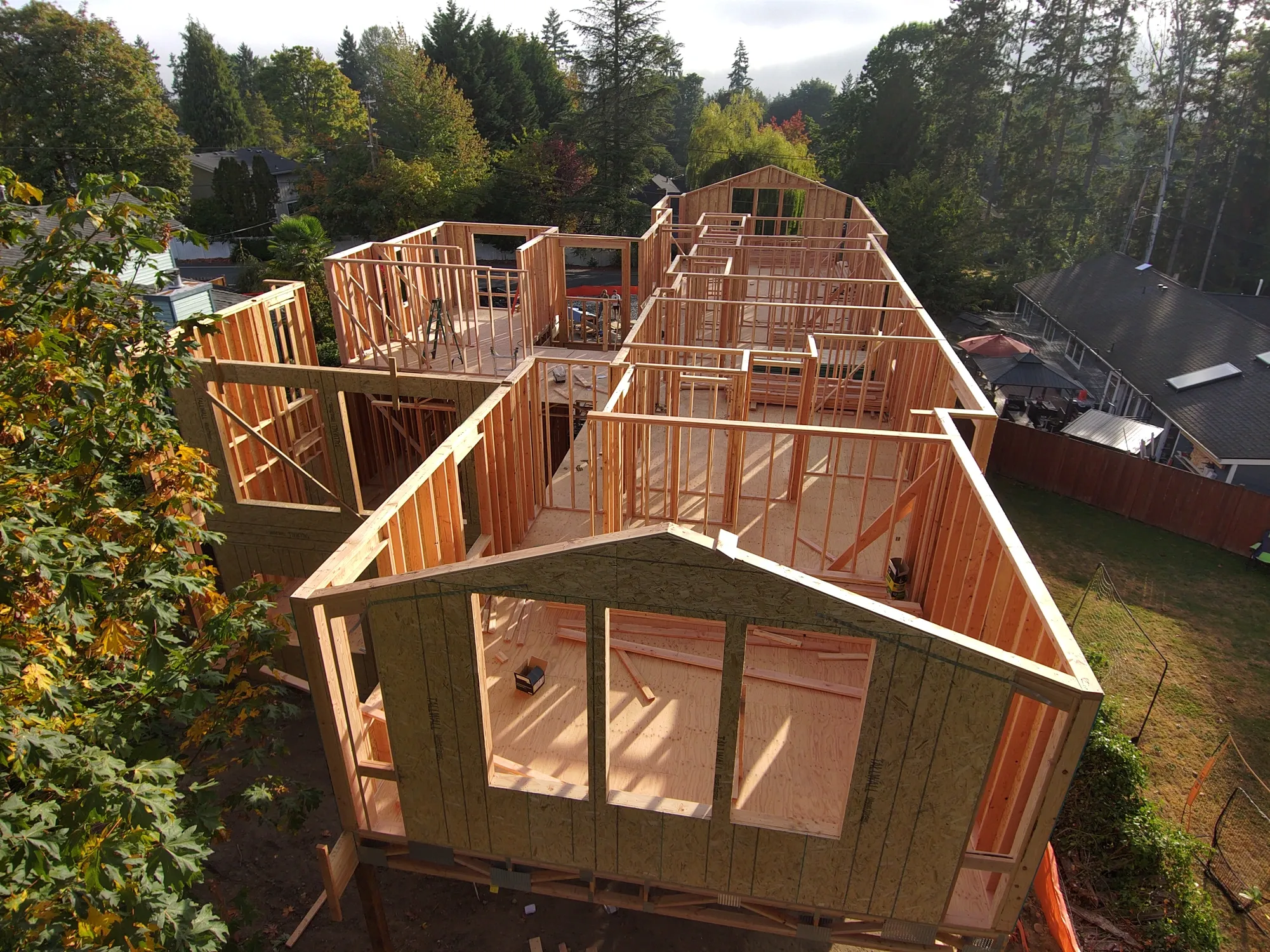
Construction proceeds in stages, with inspections required at specific milestones before work can continue.
How Long Do Building Permits Take in Bellevue?
There is no universal timeline for permit approval. Review duration depends on several factors, including:
- The complexity of the home’s design
- Site-specific constraints or zoning considerations
- The completeness of submitted plans
- City review volume at the time of submission
Custom homes typically take longer to permit than spec homes because they involve more individualized review. Permitting should be treated as a defined project phase, not an afterthought that happens automatically alongside construction planning.
Common Reasons for Permit Delays
Delays are not unusual, but many are preventable. Common causes include:
- Incomplete or inconsistent documentation
- Zoning conflicts or setback issues
- Site-related concerns such as drainage or access
- Design revisions requested during review
Anticipating these issues early helps homeowners avoid cascading schedule impacts later in the build.
How a Custom Home Builder Helps Manage the Permit Process
An experienced custom home builder plays a key role in navigating permitting requirements. This typically includes:
- Coordinating architects, engineers, and consultants
- Preparing permit-ready submissions
- Responding to City review comments
- Scheduling inspections in the correct sequence
Planning Ahead: Why Permits Should Be Part of Early Decision-Making
Permits influence design decisions, construction schedules, and financing timelines. Treating permitting as a core planning element—rather than a last-minute requirement—reduces uncertainty and supports a smoother build process from start to finish.
When to Talk to a Builder About Permits
If you’re considering building a custom home in Bellevue, permit discussions should happen early—ideally before finalizing designs or making assumptions about construction timelines.
If you’re planning a custom home and want a realistic understanding of permitting requirements, review timelines, and potential constraints, schedule a consultation with a custom home builder to discuss your project, site conditions, and next steps before moving forward.
Frequently Asked Questions (FAQs)
Do I need a building permit to build a custom home in Bellevue?
Yes. All new residential construction in Bellevue requires approved building permits before any construction activity can begin. Permits ensure the home meets zoning, safety, and building code requirements set by the City and the State of Washington.
Are permits different for custom homes compared to spec homes?
In most cases, yes. Custom homes typically require more detailed plan review because designs, materials, and site conditions vary from project to project. This often results in a longer and more involved permitting process than standardized spec homes.
Can construction start before permits are approved?
No. Construction generally cannot begin until the required permits have been issued. Starting work without permits can result in stop-work orders, fines, and delays that impact the entire project schedule.
Do building permits include inspections?
Yes. Building permits require inspections at specific stages of construction, such as foundation, framing, and final completion. Each inspection must be approved before work can continue to the next phase.
What happens if my permit application is rejected or requires revisions?
It’s common for permit applications to come back with comments or correction requests during plan review—especially for custom homes. In most cases, you’ll need to revise the plans or provide additional documentation, then resubmit for review. This can affect timelines, which is why it’s helpful to plan for a review-and-revision cycle and work with a team familiar with Bellevue’s requirements.