
For many buyers, building or buying a new home comes with a strong sense of relief. Everything is new, systems haven’t been used, and materials haven’t been exposed to years of wear. It feels reasonable to assume that maintenance will be minimal, at least for the first several years.
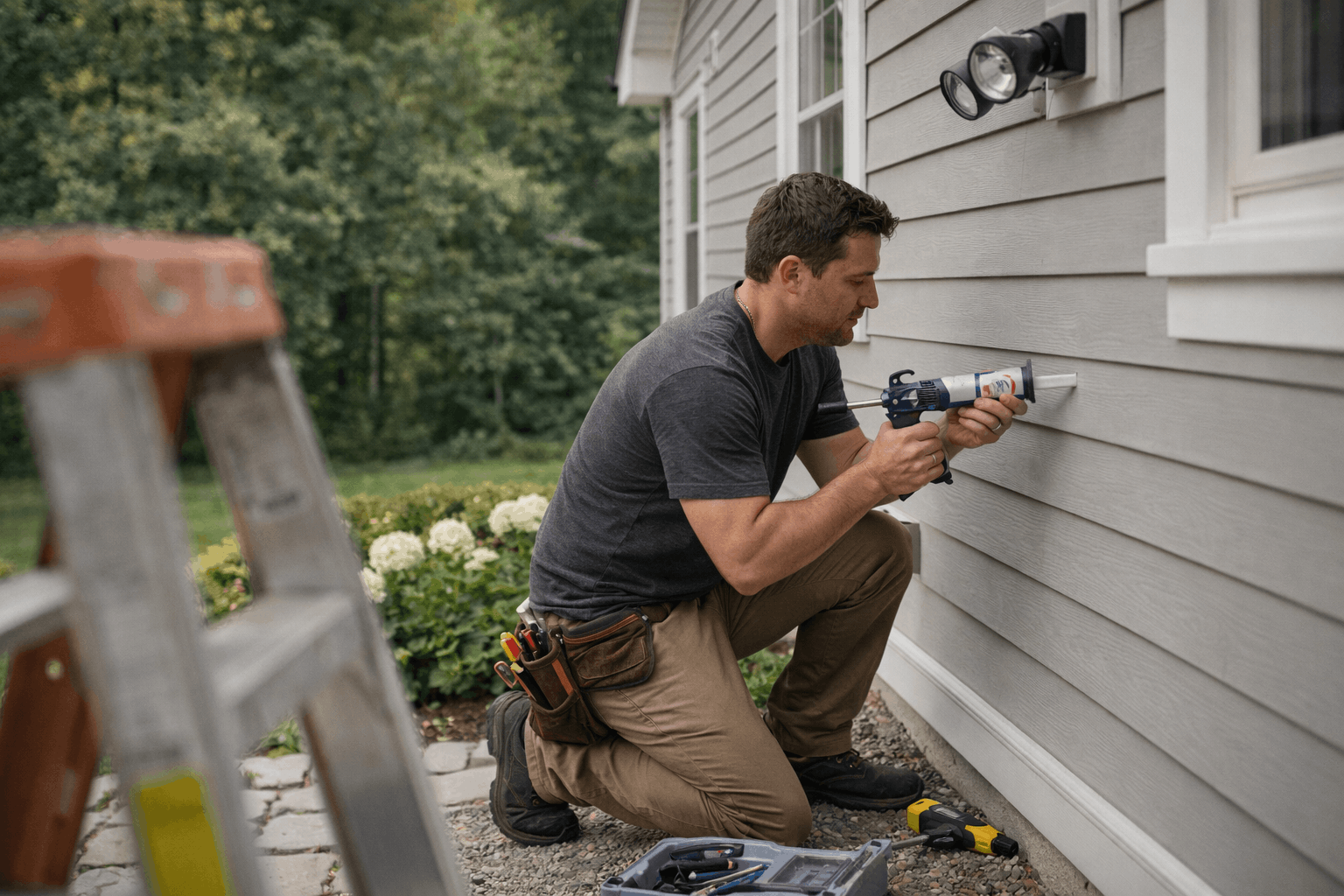
In reality, new home maintenance begins almost immediately—especially in custom homes. Not because something is wrong, but because every home starts interacting with real life the moment it’s occupied. Materials respond to climate, systems adjust to daily use, and design decisions made months earlier begin to reveal their long-term implications.
Understanding this early doesn’t make custom homes less appealing. It makes the ownership experience far more predictable and satisfying.
Why New Homes Still Require Maintenance From Day One
A home doesn’t become maintenance-intensive because it is old. It becomes maintenance-intensive because it is used, exposed, and complex. Even a brand-new home starts settling and adapting to real conditions as soon as people move in.
New home maintenance typically involves:
- monitoring how materials expand, contract, and settle
- fine-tuning mechanical systems after real-world use
- maintaining exterior surfaces exposed to weather
- identifying minor adjustments before they become larger issues
These early adjustments are common even after new construction home inspection stages are complete, because inspections confirm compliance—not long-term performance.
How Custom Homes Change the Maintenance Equation
Custom homes are designed to be different. They often include unique layouts, custom exterior details, higher-end finishes, and integrated systems tailored to the homeowner’s preferences. These choices enhance comfort and individuality—but they also affect maintenance.
Compared to production or spec homes, custom homes often have:
- more exterior transitions and detailing
- larger areas of glass or open connections
- specialized materials chosen for appearance as much as performance
This does not mean custom homes are harder to live with. It means they benefit from owners who understand how design choices influence long-term care.
Design Decisions That Quietly Increase Maintenance
Architectural complexity and detailing
Custom homes frequently feature multiple rooflines, offsets, overhangs, and exterior details that create visual interest. Each transition introduces an additional point of exposure to water, wind, and movement.
Homes that prioritize clarity in form often experience fewer long-term issues, especially when homeowners understand how long a custom home takes to build and how early design decisions affect later stages.
Extensive glazing and large openings
Large windows and expansive openings are a hallmark of modern custom homes. They provide light, views, and a strong connection to the outdoors. Over time, however, these features require attention to seals, hardware, cleaning, and thermal performance.
Designing with realistic expectations around upkeep helps prevent frustration later.
Materials That Look Durable but Still Require Care
Natural materials and finishes
Natural materials such as wood and stone are often chosen for their character and warmth. While durable, they typically require ongoing care to maintain appearance and performance.
Many homeowners encounter these realities after purchasing land and completing the build, even when they carefully avoided early mistakes to avoid when buying land.
Exterior exposure and orientation
Orientation, shading, and detailing influence how materials age. These factors are often constrained by local building requirements, which shape design decisions more than many buyers expect.
Systems, Technology, and Long-Term Maintenance
Mechanical and comfort systems
Custom homes often include advanced HVAC, ventilation, and energy-efficiency systems. These systems improve indoor comfort and performance but rely on regular servicing to function as intended.
Homes designed with accessible mechanical spaces and clear system organization are easier—and less costly—to maintain over time.
Smart home technology
Automation and smart systems simplify daily routines but introduce a different type of maintenance. Software updates, system compatibility, and occasional troubleshooting become part of homeownership.
Maintenance doesn’t disappear in a smart home—it shifts from physical repairs to ongoing oversight.
Why Maintenance Should Be Considered During Design
Maintenance is rarely discussed during early design conversations, yet many long-term ownership challenges originate there. Decisions about layout, access, materials, and systems shape how easy—or difficult—a home is to maintain.
Homeowners who understand the full scope of the process tend to make more balanced choices that support long-term living.
Designing with maintenance in mind does not limit creativity. It protects the investment behind it.
Why Maintenance Feels More Personal in a Custom Home
In a custom home, maintenance often feels different because the homeowner was involved in every decision. When upkeep is higher than expected, it can feel frustrating or even disappointing.
This emotional response is normal. It’s also avoidable when expectations are aligned early. Maintenance planning is not about lowering standards—it’s about matching design choices to long-term comfort and effort.
How to Reduce Maintenance Without Sacrificing Quality
Design for access and serviceability
Ensuring that systems and components are easy to reach reduces long-term maintenance costs and disruption.
Balance innovation with proven solutions
Not every feature needs to be the newest available option. Proven systems often deliver more predictable performance over decades.
Choose materials intentionally, not emotionally
Understanding how materials age allows homeowners to choose finishes that align with their willingness to maintain them.
Final Thoughts
New home maintenance begins far earlier than most homeowners expect. In custom homes, thoughtful planning during design plays a greater role in long-term upkeep than the age of the home itself.
By understanding how design, materials, and systems influence maintenance, homeowners can create spaces that remain comfortable, functional, and manageable for years to come.
Concerned about long-term maintenance in your custom home?
Early planning helps prevent years of unnecessary upkeep.
Contact Orca Custom Homes to talk through design decisions that support long-term living.
Frequently Asked Questions (FAQs)
Do new homes really require maintenance right away?
Yes. Even brand-new homes require attention from the beginning. Materials settle, systems adjust to real-world use, and exterior elements are immediately exposed to weather. Early monitoring helps catch small issues before they become larger ones.
Are custom homes more maintenance-intensive than standard new homes?
Not inherently. Maintenance depends more on design complexity, material selection, and system integration than on whether a home is custom or production-built. A thoughtfully designed custom home can be just as manageable as any other new home.
Which parts of a new custom home typically need the most attention?
Exterior surfaces, roofing transitions, windows, and mechanical systems usually require the most ongoing attention. These elements are directly affected by climate, use, and design detailing.
Can maintenance costs be reduced during the design phase?
Absolutely. Designing for access, choosing materials based on how they age, and avoiding unnecessary complexity can significantly reduce maintenance costs and effort over time.
Should maintenance planning be discussed before construction begins?
Yes. Discussing maintenance early helps align expectations and ensures design decisions support long-term comfort rather than creating avoidable upkeep later.