
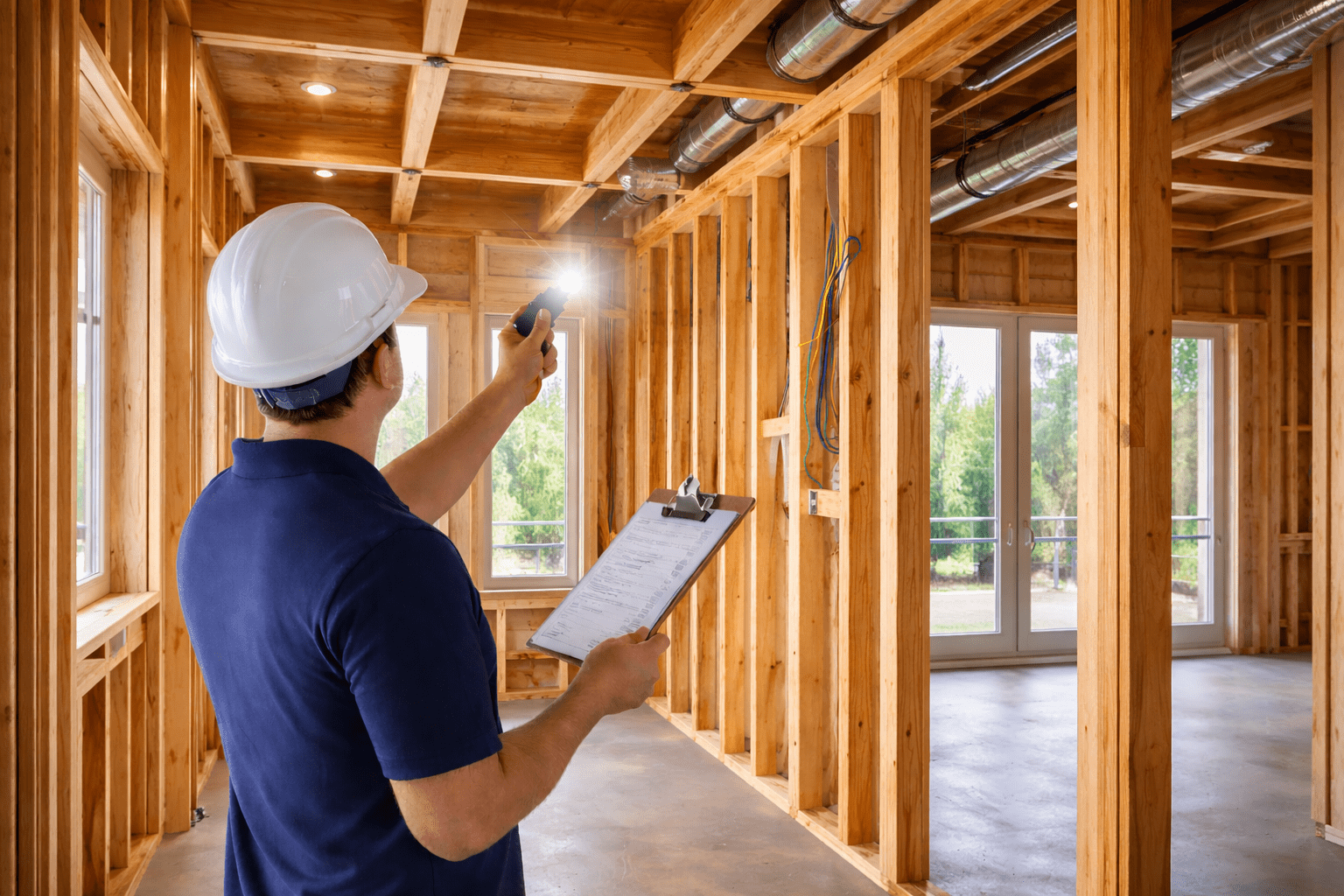
Buying a newly built home can feel reassuring. Everything is new, modern, and unused—so it’s easy to assume inspections aren’t as critical as they are with older homes. However, even in new construction, inspections play a vital role in protecting buyers and ensuring long-term quality.
In a market like Bellevue, where expectations for craftsmanship, durability, and neighborhood fit are high, understanding how inspections and warranties work can make a meaningful difference. This guide explains why inspections still matter, when they should happen, and what buyers should know before moving forward with a new construction purchase.
Why Inspections Still Matter for New Construction Homes
New does not always mean flawless. While new construction homes must meet building codes, inspections go a step further by identifying issues that may not be obvious during a walkthrough.
Inspections help confirm that:
- Structural components were built correctly
- Systems like electrical, plumbing, and HVAC are properly installed
- Materials were used as intended—not just what’s visible on the surface
Rather than assuming everything is perfect, inspections provide clarity and peace of mind before a buyer commits.
When Should a New Construction Home Be Inspected?
Inspections for new construction often happen in multiple stages, not just at the end.
Pre-Drywall Inspection
This inspection takes place before drywall is installed, allowing inspectors to review:
- Framing and structural components
- Electrical and plumbing rough-ins
- Mechanical systems
Catching issues at this stage is far easier than fixing them after walls are closed.
Final Inspection Before Closing
A final inspection ensures the completed home matches approved plans and that systems are functioning as expected. This step gives buyers confidence before closing.
What a New Construction Inspection Can Reveal
Even well-built homes can have small oversights. Inspections may uncover:
Improper flashing or waterproofing
Insulation gaps
Drainage or grading concerns
Installation issues with windows, roofing, or ventilation
Addressing these items early helps avoid future maintenance problems and unexpected costs.
Understanding New Construction Home Warranties
Warranties are an important part of buying new construction, but they’re often misunderstood.
Most new homes include:
- Short-term coverage for workmanship and finishes
- Longer-term coverage for major systems
- Structural warranties that extend several years
Buyers should understand what’s covered, how long coverage lasts, and how claims are handled. A clear warranty structure reflects a builder’s confidence in their work.
Questions Buyers Should Ask Before Purchasing New Construction
Before committing, buyers should feel comfortable asking questions such as:
- What inspections are included in the build process?
- Can I arrange an independent inspection?
- What warranties are provided, and what do they cover?
- How are issues handled if something is found after closing?
Transparent builders welcome these conversations—they’re part of building trust.
Why Local Builders Matter in Bellevue
Local builders understand more than construction—they understand context.
In Bellevue, that means:
- Navigating local permitting and inspection requirements
- Designing homes that respect neighborhood character
- Building for long-term performance in the Pacific Northwest climate
Builders with local experience tend to approach inspections and quality control as part of the process, not an obstacle to overcome.
How Thoughtful Builders Approach Inspections
For builders focused on quality, inspections aren’t something to fear—they’re a validation of good work.
Thoughtful builders:
- Plan inspections into the build timeline
- Coordinate proactively with inspectors
- Address findings transparently and efficiently
This approach leads to better outcomes for buyers and stronger homes over time.
Final Thoughts: Buying New Construction with Confidence in Bellevue
Purchasing a new construction home is a major investment. While the appeal of something brand new is undeniable, inspections and warranties remain essential tools for protecting that investment.
Understanding how inspections work, when they should occur, and what warranties actually cover helps buyers move forward with clarity and confidence. In a market like Bellevue, where quality and longevity matter, asking the right questions today can prevent costly surprises tomorrow.
Interested in learning more?
If you’d like to better understand how quality construction, inspections, and long-term performance come together in thoughtfully built homes, feel free to contact Orca Custom Homes to start a conversation.
Frequently Asked Questions (FAQs)
Do new construction homes really need inspections?
Yes. While new homes meet building codes, inspections help identify installation issues or oversights that aren’t always visible and confirm overall build quality.
Can buyers hire their own inspector for a new construction home?
In most cases, yes. Independent inspections provide an extra layer of confidence and transparency for buyers.
What does a typical new construction home warranty cover?
Warranties often include coverage for workmanship, systems, and structural components, though terms vary by builder. Buyers should review coverage details carefully.
When is the best time to schedule a new construction inspection?
Many buyers schedule inspections at key milestones, such as pre-drywall and before closing, to catch issues early.
Do inspections slow down the buying process?
When planned correctly, inspections rarely cause delays and often prevent larger issues later.