
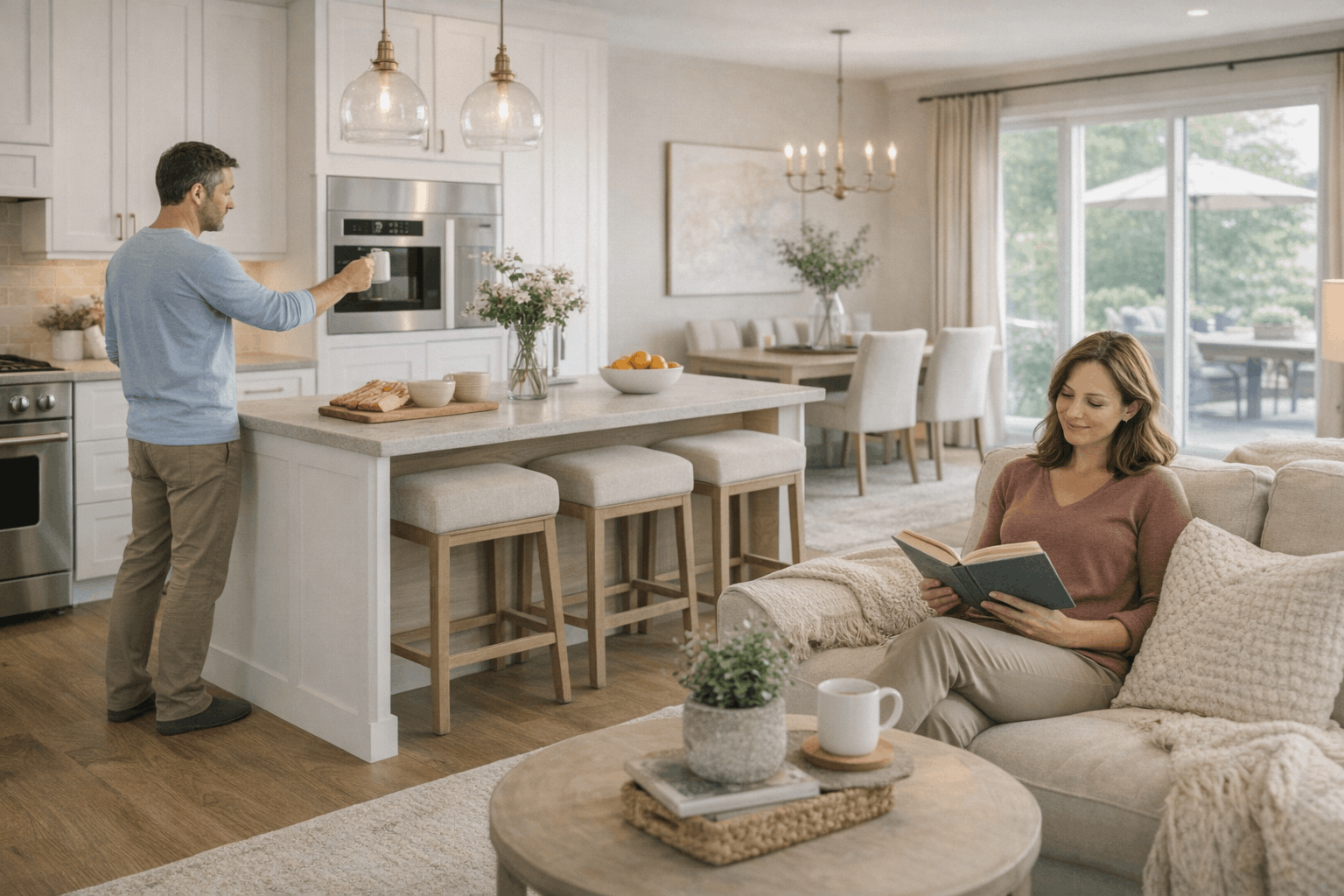
Living in a custom home feels different in ways that are hard to explain before you experience it. Most conversations focus on design, construction, and decisions made before move-in. Much less is said about what happens afterward—once the home stops being a project and starts being a place you actually live.
For many homeowners, the biggest differences aren’t visual. They show up in routines, habits, and how the home quietly supports daily life. Some changes are immediate. Others reveal themselves slowly, over months of living in the space.
This article explores what tends to feel different after moving into a custom home—and why those changes matter more than most people expect.
Daily Routines Feel More Intentional
One of the first things homeowners notice is how everyday routines feel smoother. When a home is designed around how you actually live, small frictions tend to disappear.
Morning routines feel more predictable. Storage is where you need it. Movement through the house feels natural rather than forced. These aren’t dramatic changes, but they add up quickly.
This sense of flow often traces back to decisions made during designing a custom home around how you actually live, even if those decisions didn’t feel significant at the time.
The House Stops Dictating Behavior
In many homes, people adjust their behavior to fit the space. Rooms go unused. Furniture works around awkward layouts. Noise travels where it shouldn’t.
In a custom home, that dynamic often reverses. The home adapts to the people living in it.
Homeowners frequently describe:
- using more of the house, not less
- feeling less need to “work around” the layout
- fewer compromises in daily activities
The result isn’t perfection—it’s alignment.
Comfort Becomes Less Noticeable (In a Good Way)
You stop thinking about the house
One of the most telling signs of a well-designed custom home is how little attention it demands once you’re settled in. Temperature feels consistent. Light behaves as expected. Noise levels are manageable.
Comfort becomes background rather than something you actively notice. That’s often when homeowners realize the value of decisions they made months—or years—earlier.
Many of these outcomes are influenced by planning choices that affect long-term performance, not just aesthetics, including those discussed in new home maintenance conversations.
The Emotional Shift After Move-In
Relief replaces anticipation
Before move-in, excitement and stress coexist. Afterward, many homeowners describe a sense of relief—not because everything is perfect, but because the home finally supports daily life instead of demanding attention.
This emotional shift is rarely discussed, yet it plays a major role in long-term satisfaction. The home becomes a place to live, not a list of decisions still waiting to be made.
You Notice the Value of Planning in Small Moments
Custom homes don’t reveal their value all at once. Instead, it shows up quietly:
- in how spaces adapt to change
- in how routines feel easier over time
- in how rarely you think, “I wish this worked differently”
These moments often connect back to understanding the full scope of the process early on, rather than treating design and construction as isolated steps.
Living in a Custom Home Changes Expectations
After living in a custom home, many homeowners find it difficult to return to standard layouts or off-the-shelf solutions. Expectations shift—not because other homes are “bad,” but because personal alignment becomes the new baseline.
This shift often reframes how people think about future housing decisions, renovations, or even resale.
The Difference Is Subtle—but Persistent
Unlike dramatic design features, the lifestyle impact of a custom home doesn’t fade over time. In many cases, it becomes more noticeable as life evolves and the home continues to adapt.
That persistence is what many homeowners mean when they say their custom home “still works,” even years later.
Final Thoughts
Living in a custom home is less about luxury and more about alignment. The biggest changes aren’t always visible to visitors, but they’re felt daily by the people who live there.
When a home quietly supports routines, comfort, and change over time, it stops being something you manage—and starts being something that works for you.
Curious what living in a custom home could actually feel like?
A thoughtful conversation early on can help translate lifestyle goals into lasting design decisions.
Contact Orca Custom Homes to talk through your ideas and next steps.
Frequently Asked Questions (FAQs)
Does living in a custom home feel very different from other homes?
Often, yes—but not in obvious ways. The difference usually shows up in daily routines, comfort, and how naturally the home supports everyday life.
How long does it take to feel “settled” in a custom home?
Many homeowners feel settled quickly, but the full value of the home often becomes clearer over time as routines develop and needs evolve.
Do people still notice design details after moving in?
Some details fade into the background, while others quietly improve daily comfort. In many cases, not noticing the house is a sign it’s working well.
Does a custom home change how people use their space?
Yes. Homeowners often find themselves using more of the house and relying less on workarounds or compromises.
Is the lifestyle impact of a custom home immediate or gradual?
Both. Some benefits are immediate, while others become apparent over months or years of living in the space.