
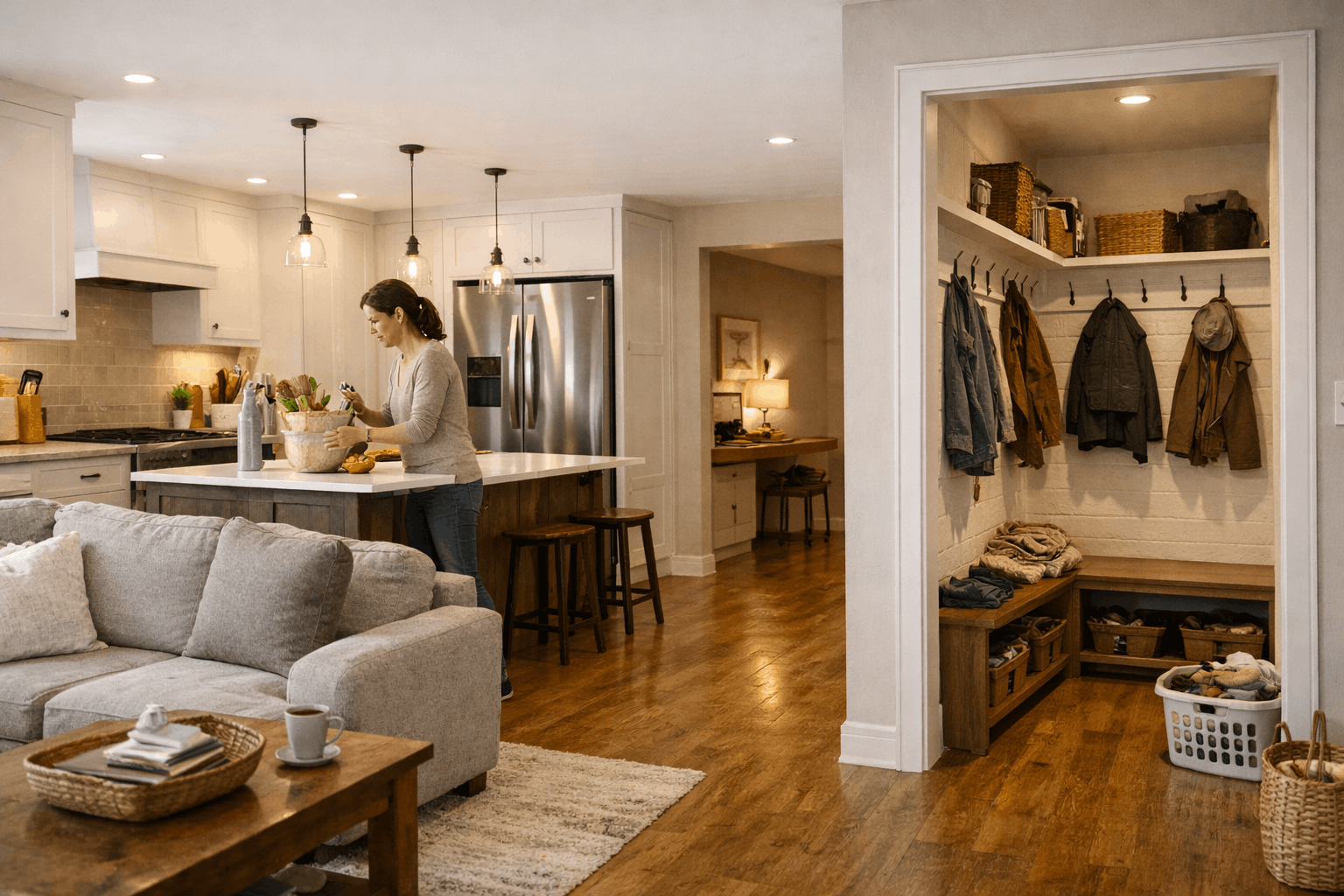
Designing a custom home is often framed as a creative exercise—choosing layouts, finishes, and architectural details. In reality, the most successful custom homes are not defined by how impressive they look on move-in day, but by how well they support everyday life over many years.
Homeowners rarely regret not adding one more design feature. They regret friction: awkward circulation, lack of storage, noise issues, or spaces that don’t adapt as life changes. These problems usually stem from early design decisions that prioritized appearance over lived experience.
This guide explores how to approach designing a custom home with daily routines, real behavior, and long-term use at the center of every decision.
Why Lifestyle Should Lead the Design Process
A custom home gives you flexibility that spec homes rarely offer. But flexibility without clarity often leads to complexity instead of comfort. When lifestyle is not clearly defined early, design decisions tend to follow trends, inspiration images, or assumptions that don’t hold up after move-in.
Designing a custom home works best when lifestyle questions come first:
- How do mornings usually unfold?
- Where does clutter actually accumulate?
- Which spaces need quiet, and which can be shared?
- How often do routines change during the week?
Homes that feel intuitive are usually the result of practical conversations long before floor plans are finalized.
Designing for Daily Routines, Not Idealized Scenarios
Weekdays matter more than special occasions
Many homes are unintentionally designed around weekends, gatherings, or holidays. Large entertaining areas look great on paper, but they may go unused most of the year, while everyday circulation areas feel cramped or inefficient.
Designing a custom home around real routines means prioritizing:
- daily entry points over formal entrances
- functional transitions between kitchen, storage, and work areas
- practical circulation paths rather than symmetrical layouts
When weekday use drives the design, the home tends to feel easier to live in, not just impressive to show.
Floor Plans That Look Good vs. Floor Plans That Work
Flow matters more than room labels
Floor plans often focus on room names and square footage, but daily comfort depends more on how spaces connect. Poor circulation, unclear transitions, and forced pathways are common floor plan mistakes that only become obvious after moving in.
Instead of asking “Do we need this room?”, better questions are:
- How often will this space be used?
- What happens before and after this activity?
- Does movement through the home feel natural or forced?
Homes designed around flow tend to age better and adapt more easily over time.
Interior Design Should Support Function First
Storage, lighting, and acoustics are not secondary
Interior decisions are often treated as cosmetic, but they have a major impact on how livable a home feels. Storage placement, lighting quality, and sound control influence daily comfort far more than finishes alone.
Many buyers exploring custom home interior design ideas assume these elements can be addressed later. In practice, early interior planning prevents compromises that are difficult or expensive to correct once construction begins.
Function-first interiors are usually quieter, calmer, and easier to maintain.
Designing With Long-Term Living in Mind
Homes should evolve as life changes
A custom home often reflects current needs but overlooks future ones. Families grow, work patterns shift, and physical needs evolve. Designing only for the present can limit a home’s usefulness later.
Long-term thinking includes:
- spaces that can change function over time
- layouts that balance openness with privacy
- flexibility without over-specialization
Designing for longevity does not reduce personalization—it protects it.
How Process Awareness Improves Design Decisions
Design is not a standalone phase
Design decisions influence structure, cost, approvals, and timelines. Buyers who understand the full scope of the process tend to make more confident and informed choices, because they see how each decision affects the whole project.
When design is viewed as part of a system rather than a single step, fewer revisions are needed later.
Location and Regulations Shape Design More Than Expected
Constraints can improve outcomes
Site conditions, zoning rules, and approvals influence orientation, massing, and layout. While these constraints may initially feel limiting, they often lead to more thoughtful design solutions.
Understanding that local regulations play a role in design decisions helps homeowners avoid frustration and align expectations early.
Designing a Custom Home Is Ultimately a Decision-Making Process
Clarity reduces second-guessing
Designing a custom home involves a series of decisions made over time. Buyers who rush this phase often revisit choices later, increasing stress and complexity.
If you are still comparing fundamental options, it may be worth delaying detailed design work until those decisions feel settled.
Clear intent leads to smoother execution.
Final Thoughts
Designing a custom home is an opportunity to create a space that genuinely supports how you live—not how homes are typically marketed. The best results come from honest reflection, practical planning, and a focus on daily life rather than idealized moments.
A well-designed custom home doesn’t just look good. It feels right every day.
Thinking about designing a custom home but unsure how to translate daily life into design decisions?
A clear, experience-driven conversation can help you plan with confidence.
Contact Orca Custom Homes to discuss your goals and next steps.
Frequently Asked Questions (FAQs)
What should I think about first when designing a custom home?
Before focusing on layouts or finishes, you should understand how you live day to day. Daily routines, work habits, storage needs, and long-term plans should guide early design decisions.
How early should lifestyle be considered in the design process?
Lifestyle considerations should shape the design from the very beginning. Addressing them later often leads to revisions, compromises, or added cost.
Can a custom home still feel flexible over time?
Yes. Homes designed with adaptable spaces and balanced layouts tend to remain functional even as needs change.
Are open floor plans always the best choice?
No. Open layouts work well for some households but can create noise, privacy, or organization challenges for others.
How do homeowners avoid regret after moving in?
Most regret comes from rushed decisions or unclear priorities. Taking time to plan around real use reduces dissatisfaction later.